
I was fortunate to know my Great Grandma for 10 years of my life. Recently I found Panama Canal employment papers for her husband, my Great Grandpa.
I’ve always been curious about Great Grandma’s life because of the tales of her daring departure from Barbados. Information on her family beyond her mother is hard to find, and that tells me everything I need to know.
Caribbean people of a certain generation tended to be tight-lipped about details of the past. And maybe doubly so as immigrants.
Doing the research
Because my Great Grandpa came from a family listed in the Archives as “professional” not laborers (they were shoemakers) and because anecdotally I knew his heritage was mixed race, records are easier to find.

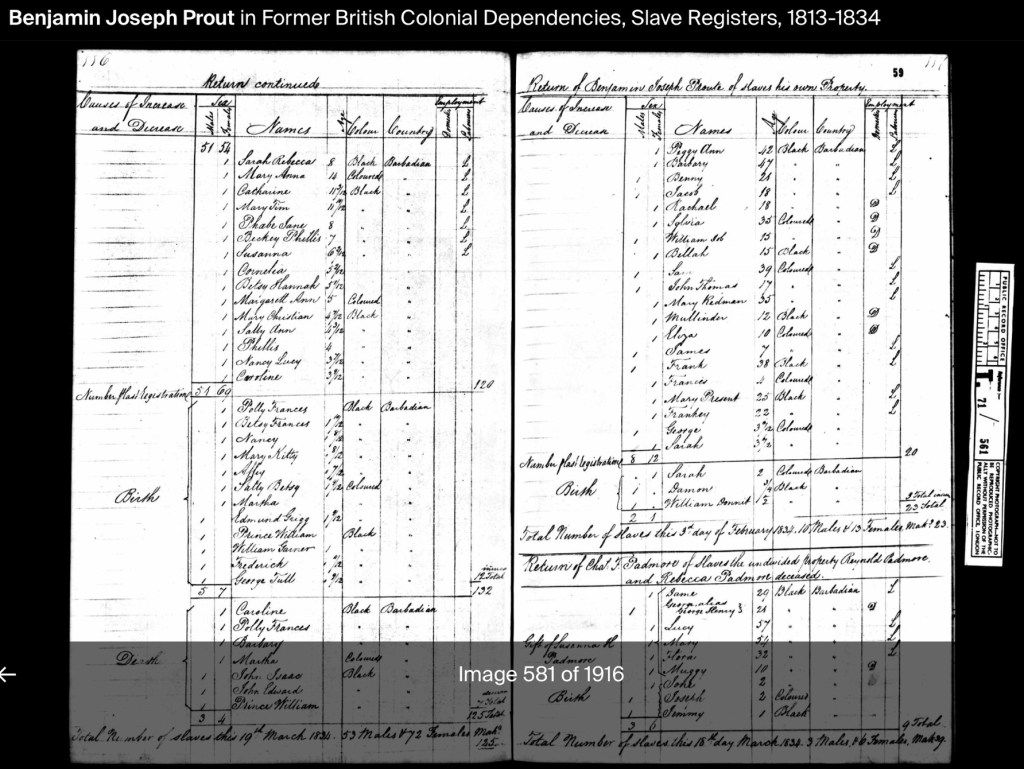

His father’s records show that before he made it into professional class status, as a 7-year-old he was enslaved. He was listed as coloured, not black like his mother, Peggy Ann. He was the son of a plantation owner.
Clearly Peggy Ann is not a 17th nor 18th century West African name. This is as far back as I can likely go for the African side of my ancestry. Or maybe it’s as far as I feel like going right now.
Social and economic status in Barbados
Unlike the United States, Barbados after slavery didn’t continue making a distinction by race, only by nationality — everyone is simply Bajan. The British historical records do, designating enslaved people as coloured or black, then by job as domestic, laborer or professional. I learned this when I visited the archives there. I left happy but curious about why my family were not laborers.
At the time, due to time constraints the archivist didn’t go back far enough to the previous generation which would have shown me there were enslaved family members.
I enjoy looking at old family photos and seeing historical records. Eventually those of us interested in genealogy will run into records that show our family members who were mixed race and enslaved just as I did.
Jubilee Day celebration
So on this Juneteenth I reflect on how much effort was required for me to be here.
- Three generations removed from family members who were enslaved on both matriarchal and patriarchal sides of the family.
- Two generations removed from immigrants who lived well in Panama, but who immigrated a second time to live in an equally systemically racist but more politically stable country.
- One generation removed from Jim Crow and the great migration.
Life isn’t easy but I do live well. I’m not the highest educated in my family, but I earned a Master degree. As a woman, I am able to vote, work, support myself and travel wherever I’m comfortable going on my own. These are just a few things not afforded to my ancestors even just one generation back.
Thank you for you achievements
Today I honor and celebrate all of my family who survived enslavement in Barbados, British Guiana (now Guyana) and the United States.
I thank them for all of the unacknowledged, unpaid work they did to build the great wealthy nations and individual fortunes of owner descendants that would not exist today without them.
Perhaps someday the world will acknowledge them too. And those who continue to make fortunes off of plantation tourism and land will give the descendants their rightful financial share.
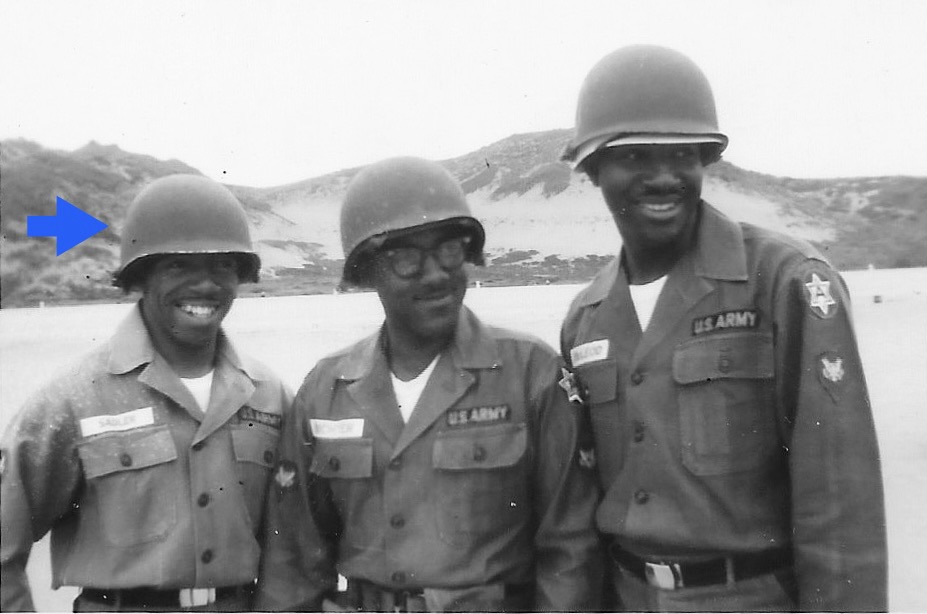


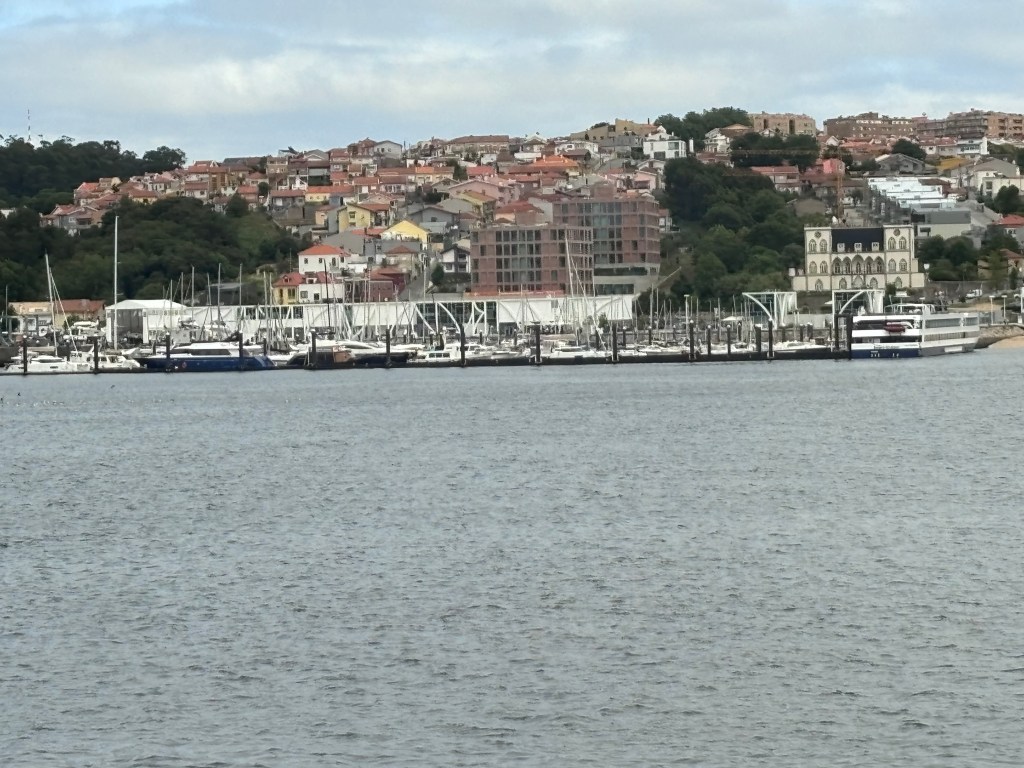
 Pinkpodster Ponders
Chatter is welcomed!